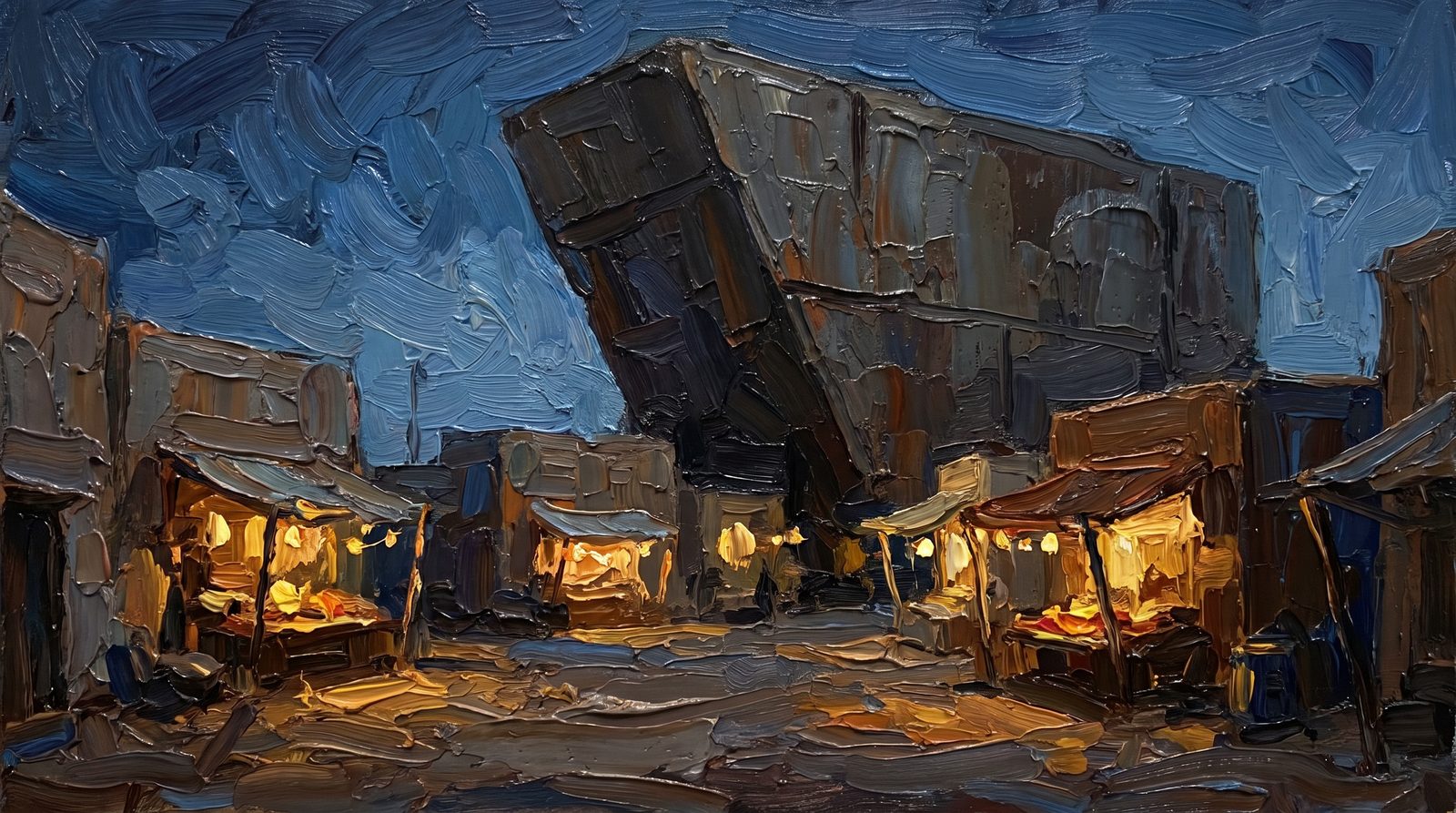
Nvidia just bought the town square of AI. The receipt was $12.93 billion, and if you run a business, you should probably understand what was on it.
I have been watching this stuff since before most of it existed, and here is the part that keeps me up at night: the biggest AI story of the week was not a new model. It was a merger. Nvidia, the company that makes the chips almost every AI system runs on, agreed to buy Hugging Face, the website where most of the open-source AI world lives.
If AI were a city, Hugging Face would be the library and the town square rolled into one. Three million models. Half a million datasets. Eighteen million developers. When a startup says it built a custom chatbot, there is a good chance the engine underneath it came off those shelves. When a bigger company says it has its own AI, same story. Hugging Face is where the open part of the AI world keeps its work.
Last year Hugging Face turned down a $500 million offer from Nvidia. This year it said yes to nearly 26 times that. In between, the whole world figured out that the company selling the shovels during a gold rush makes more than most of the miners. Nvidia already owns the compute. Now it owns the community, the catalog, and the front door.
Here is where the fine print matters.
Jensen Huang, Nvidia's CEO, promised the platform stays open. Developers can still pick any model, any cloud, any provider. Nvidia compute will not be required. That all sounds great on day one, and it is probably true on day one. But businesses should hear it the way they hear any promise from a company that just spent thirteen billion dollars: consolidation has a way of changing the rules slowly, one quietly announced change at a time.
Why should a small business in Atlanta care about a chip company buying a model website?
Because the tools you already use run on this ecosystem. Your customer service bot, your marketing helpers, the AI features that just showed up in your software last year, a lot of them trace back to models that live in this world. When the open shelves get a new landlord, prices and access have a way of shifting. And when access shifts, it is never the giants who feel it first. It is the small shop that was renting its AI by the month.
There is an upside in here too, and it is the part I actually like.
Open models mean a business can own its AI instead of renting it. That is the difference between a tool you pay for and an asset you build. A custom system trained and tuned around your customers, your prices, your way of doing business, sitting on infrastructure you control, that is not a luxury item anymore. That is the kind of thing a smart small business does while the big guys are still reading the press release.
You do not need to follow chip deals and merger announcements to run your company. That is what people like me are for. We build the AI integration work that turns this into something a business can actually use. But you should know the ground under your feet is moving, and the town square just changed hands.